Research projects
Aging and its heterogeneity
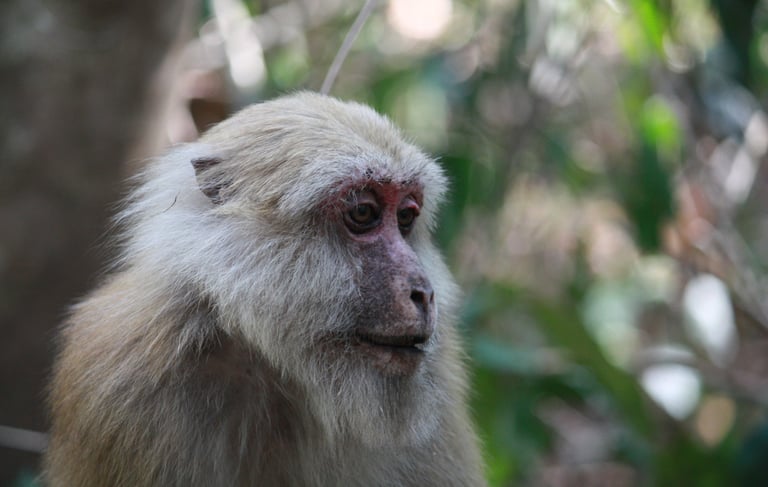
All mammals age, and different species age at different speed. But even within species, some individuals live long and healthy lives, while others suffer early from functional decline and age-associated diseases. What factors in the socioenvironment explain that individuals differ in their aging trajectories? How can we predict aging trajectories
Collaborators: Noah Snyder-Mackler, Amanda Lea, Rachel Petersen, Kenneth Chiou, Julia Ostner, Oliver Schülke, Amanda Melin, Lauren Brent, James Higham, Michael Platt, Mike Montague.
Social determinants of health
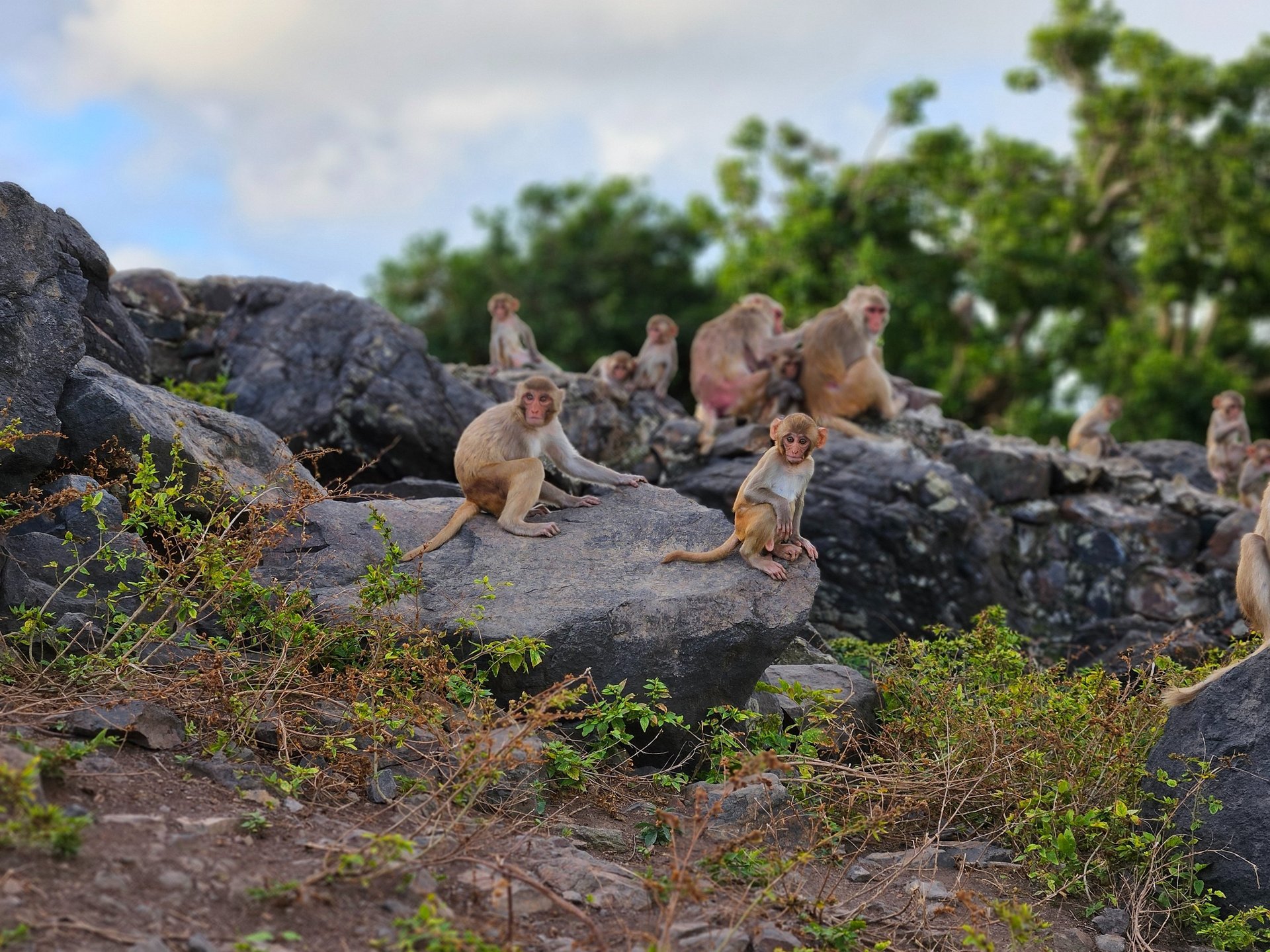
Did you know that having a supportive network and feeling integrated is one of the greatest protective factors against a number of chronic diseases, even stronger than well-known detrimental factors such as smoking? In humans, it is well established that social disparities strongly influence people's health. Access to healthcare, education, and risk-taking behavior are all known contributors. However, the link between social environment and health is not unique to humans, in fact, it is broadly shared among other mammals. So what are the mechanisms that explain this? Is it access to food resources, shelter, or something else? What physiological mechanisms go awry when social support is lacking?
My work investigates these questions in non-human primates. Specifically, I study how instability in social relationships, aggressive hierarchical dynamics, and the dysregulation of specific hormonal and immune systems help explain why less socially integrated individuals face a greater risk of dying.
Collaborators: Noah-Snyder Mackler, Lauren Brent, James Higham, Amanda Melin, Mike Montague.
Methods development
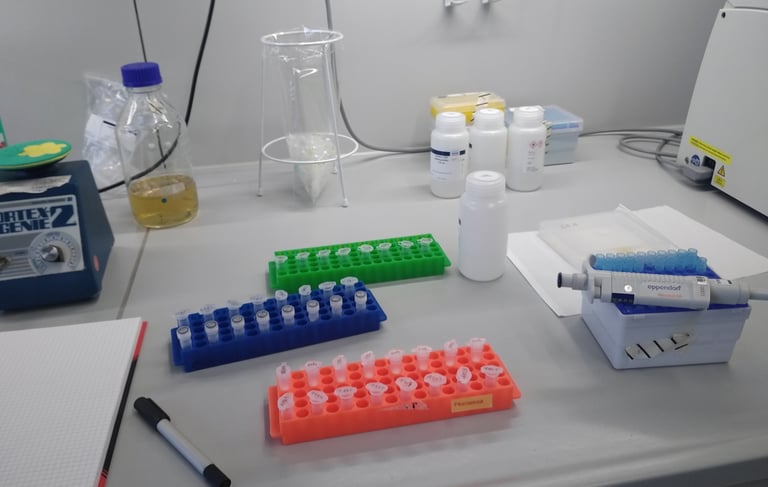
Studying physiology in animals living in their natural environment presents significant ethical and logistical challenges. Collecting samples, such as urine from a monkey high in a tree or extracting hormones from hair, requires innovative, non-invasive methods that minimize disturbance and preserve sample integrity.
Across multiple projects, I have contributed to the development and validation of protocols for measuring key physiological markers, including thyroid hormones, cortisol, and DNA methylation, from samples collected non-invasively. These methods expand the scope of ecological and evolutionary research, reduce costs, and enable more robust inferences from unconventional biological materials, supporting sustainable and ethical field-based science.
My research is supported by


Collaborators: Michael Heistermann, Julia Ostner, Oliver Schülke, Amanda Melin, Noah Snyder-Mackler, Amanda Lea.